

Introduction
Truffle-infused oil is a luxurious culinary ingredient that has gained immense popularity in recent years. Known for its rich, earthy aroma and unique flavor, it is derived from infusing high-quality oil with the essence of truffles, a rare and highly prized fungi. This study report delves into the production process, culinary applications, health benefits, and market trends of truffle-infused oil, providing a comprehensive understanding of this gourmet product.
What is Truffle-Infused Oil?
Truffle-infused oil is created by steeping truffles, typically black or white varieties, in a neutral carrier oil such as olive oil, grapeseed oil, or sunflower oil. The oil absorbs the volatile compounds and aromatic qualities of the truffles, resulting in a product that captures the essence of truffles without the high cost of fresh truffles. It is widely used as a finishing oil to enhance the flavor of dishes.

Production Process
1. Selection of Truffles
The quality of truffle-infused oil largely depends on the type and quality of truffles used. Black truffles (Tuber melanosporum) and white truffles (Tuber magnatum) are the most common varieties. fresh black summer Truffle truffles are preferred, but some manufacturers use dried or frozen truffles due to their limited availability.
2. Choice of Carrier Oil
The carrier oil must be neutral in flavor to allow the truffle aroma to dominate. Extra virgin olive oil is a popular choice due to its health benefits and mild taste, while grapeseed and sunflower oils are also commonly used for their light profiles.
3. Infusion Methods
There are two primary methods for infusing oil with truffles:
- Cold Infusion: Truffles are thinly sliced or grated and steeped in oil at room temperature for several days. This method preserves the delicate flavors but requires fresh truffles.
- Heat Infusion: The oil is gently heated with truffle pieces to accelerate the infusion process. This method is faster but may slightly alter the truffle’s aromatic profile.
4. Filtration and Bottling
After infusion, the oil is filtered to remove truffle particles and bottled in airtight containers to preserve its aroma and shelf life. Some premium products include small truffle pieces for visual appeal.
Culinary Uses
Truffle-infused oil is a versatile ingredient in gourmet cooking. Its intense flavor makes it ideal for drizzling over finished dishes rather than cooking, as heat can diminish its aroma. Common applications include:
- Pasta and Risotto: A few drops elevate simple dishes like pasta carbonara or mushroom risotto.
- Salads: Drizzled over salads, especially those with Parmesan or mushrooms.
- Meats and Seafood: Enhances the flavor of steak, scallops, or roasted chicken.
- Eggs: A favorite for scrambled eggs or omelets.
- Dips and Spreads: Mixed into mayonnaise or aioli for a truffle twist.
Health Benefits
While truffle-infused oil is primarily valued for its flavor, it also offers several health benefits, depending on the carrier oil used:
- Antioxidant Properties: Olive oil, a common base, is rich in polyphenols and vitamin E, which combat oxidative stress.
- Anti-Inflammatory Effects: The fatty acids in olive oil may reduce inflammation.
- Digestive Health: Truffles contain dietary fiber and compounds that may support gut health.
- Low in Calories: Used sparingly, it adds flavor without significant calories.
However, it is important to note that truffle-infused oil is often used in small quantities, so its nutritional impact is minimal.
Market Trends and Authenticity
The demand for truffle-infused oil has surged, driven by the growing popularity of gourmet and fusion cuisines. However, the market is also plagued by counterfeit products. Many commercially available “Truffle Sauce oils” are made with synthetic flavorings like 2,4-dithiapentane, which mimics the aroma of truffles but lacks their complexity and depth.
How to Identify Authentic Truffle Oil
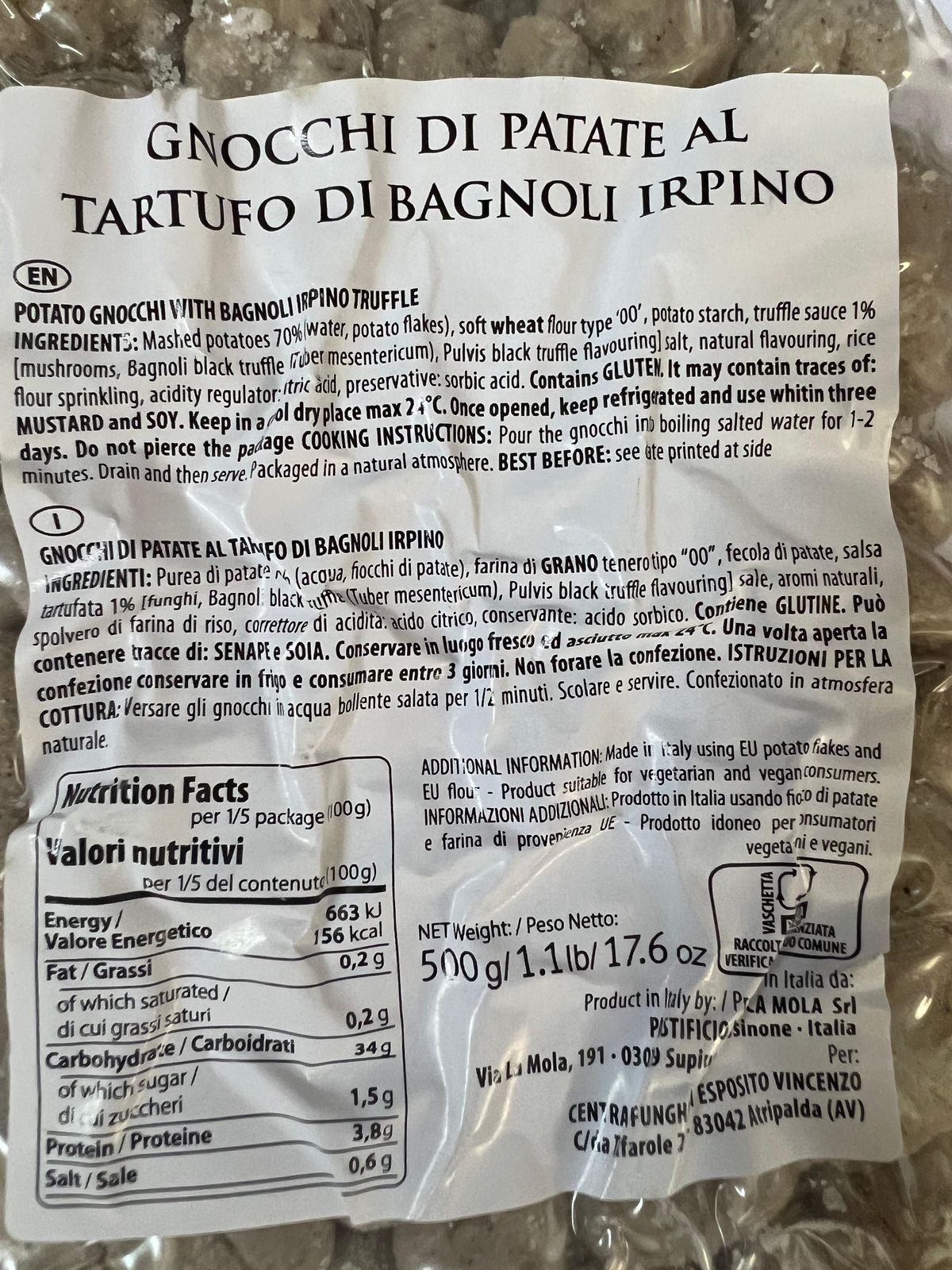
- Ingredient List: Authentic products list real truffles as an ingredient, while synthetic versions mention “truffle aroma” or “natural flavors.”
- Price: Genuine truffle oil is expensive due to the high cost of truffles.
- Aroma: Synthetic oils often have an overpowering, one-dimensional smell, whereas natural truffle oil has a subtle, layered aroma.
Storage and Shelf Life
Truffle-infused oil should be stored in a cool, dark place to prevent oxidation and preserve its flavor. Most high-quality oils have a shelf life of 6–12 months. Refrigeration can extend its life but may cause the oil to solidify, so it should be brought to room temperature before use.
Conclusion
Truffle-infused oil is a prized culinary ingredient that brings the luxurious flavor of truffles to a wide range of dishes. Its production requires careful selection of truffles and carrier oils, and while it offers some health benefits, its primary appeal lies in its unique taste and aroma. As the market grows, consumers must be vigilant about authenticity to ensure they are getting a genuine product. Whether used in haute cuisine or home cooking, truffle-infused oil remains a symbol of gourmet excellence.
